Plan Your Project With A Free Consultation
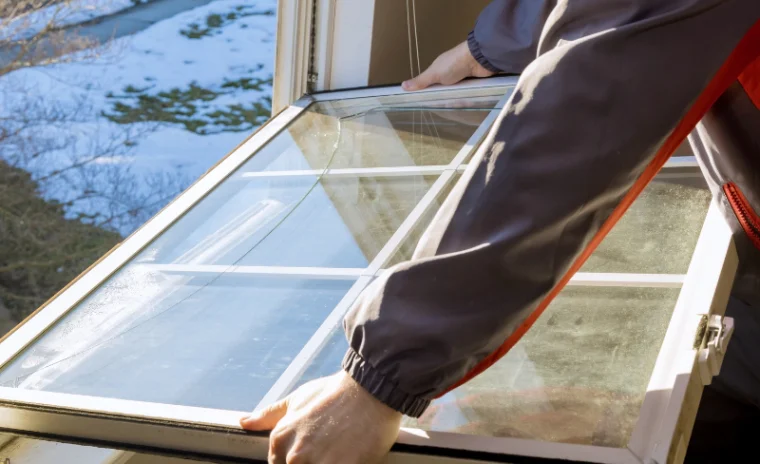
Windows play a major role in your home’s comfort, energy efficiency, and overall appearance. Over time, however, even the best windows begin to wear out. Homeowners often ask when to replace windows, especially when they notice drafts, rising energy bills, or visible damage.
Understanding the lifespan of windows and recognizing early warning signs can help you avoid unnecessary energy loss and costly repairs. This complete window replacement guide will explain how often windows should be replaced, the key indicators of failure, and what to expect during the replacement process.
How Often Should Windows Be Replaced?
One of the most common homeowner questions is how often should windows be replaced. The answer depends on the type of window, installation quality, climate, and maintenance.
On average:
- Vinyl windows last 20–30 years
- Wood windows last 15–25 years
- Aluminum windows last 20–40 years
- High-quality energy-efficient windows may last even longer
However, lifespan alone is not the only factor. Even if windows are within their expected lifespan, they may still need replacement if performance declines.
That’s why understanding when to replace windows is more about condition than age alone.
Signs You Need New Windows
Recognizing signs you need new windows early can help prevent energy waste and structural damage.
1. Drafts and Air Leaks
If you feel air coming through closed windows, seals may be failing. This leads to reduced comfort and higher energy costs.
2. Rising Energy Bills
Old or inefficient windows force heating and cooling systems to work harder, increasing monthly utility bills.
3. Condensation Between Glass Panes
Moisture trapped between double or triple panes usually indicates a broken seal, reducing insulation performance.
4. Difficulty Opening or Closing
Windows that stick, jam, or no longer lock properly may be warped or damaged.
5. Visible Damage or Rot
Cracks, warping, or rotting frames are clear indicators that replacement is needed.
6. Outside Noise
If you notice increased outdoor noise, your windows may no longer be insulating sound effectively.
These signs you need new windows often appear gradually, making it important to inspect windows regularly.
Replacing Old Windows: Why It Matters
Replacing old windows is more than a cosmetic upgrade—it’s an investment in comfort, efficiency, and home value.
1. Improved Energy Efficiency
Modern windows are designed with advanced insulation technology that helps regulate indoor temperatures more effectively.
2. Better Comfort
New windows eliminate drafts and temperature fluctuations, creating a more consistent indoor environment.
3. Increased Home Value
Updated windows are attractive to buyers and can increase resale value.
4. Enhanced Curb Appeal
Fresh, modern windows improve the overall appearance of your home.
5. Reduced Maintenance
New materials require less upkeep compared to aging wood or metal frames.
Understanding the benefits of replacing old windows helps homeowners see the long-term value of upgrading.
Factors That Affect Window Lifespan
Several factors influence how often should windows be replaced:
- Climate conditions (heat, humidity, storms)
- Installation quality
- Window material type
- Maintenance frequency
- Exposure to sunlight and moisture
Homes in harsh climates may require more frequent replacement compared to those in moderate environments.
Window Replacement Process: Step-by-Step Overview
The window replacement process involves several important steps that ensure proper installation and long-term performance.
Step 1: Initial Inspection and Measurement
A professional evaluates existing windows and takes precise measurements for new units.
Step 2: Choosing Window Types
Homeowners select materials, styles, and energy-efficiency ratings based on budget and needs.
Common options include:
- Double-hung windows
- Sliding windows
- Casement windows
- Picture windows
- Energy-efficient vinyl or fiberglass windows
Step 3: Removing Old Windows
Old frames and sashes are carefully removed without damaging surrounding walls.
Step 4: Preparing the Opening
The window opening is cleaned, leveled, and inspected for damage or rot.
Step 5: Installing New Windows
New windows are placed, secured, and sealed to prevent air and water leaks.
Step 6: Insulation and Sealing
Proper insulation is added around the frame to improve efficiency and prevent drafts.
Step 7: Final Inspection
The installer checks alignment, functionality, and sealing to ensure proper performance.
This structured window replacement process ensures long-lasting results when done correctly.
Window Replacement Guide for Homeowners
This simple window replacement guide helps homeowners understand what to expect before starting a project.
1. Evaluate Window Condition
Check for drafts, damage, and efficiency issues.
2. Set a Budget
Window replacement costs vary based on materials and quantity.
3. Choose Energy-Efficient Options
Look for ENERGY STAR-rated windows to maximize savings.
4. Hire a Qualified Installer
Proper installation is just as important as the window quality itself.
5. Plan for Installation Time
Most residential window replacements can be completed in a few days depending on project size.
Following this window replacement guide helps ensure a smooth and successful upgrade.
Common Mistakes Homeowners Make
When deciding when to replace windows, homeowners sometimes delay too long or choose incorrect solutions.
Common mistakes include:
- Ignoring small drafts or leaks
- Repairing windows instead of replacing them when damage is extensive
- Choosing style over energy efficiency
- Hiring unqualified installers
- Skipping proper sealing and insulation
Avoiding these mistakes can save money and improve long-term performance.
Repair vs Replacement: Knowing the Difference
Not every window issue requires full replacement. Minor problems like broken hardware or small seal repairs can sometimes be fixed.
However, replacement is usually the better option when:
- Multiple windows are failing
- Energy bills continue to rise
- Frames are damaged or rotting
- Windows are over 20 years old
Understanding when to replace windows versus when to repair them helps homeowners make smarter financial decisions.
Benefits of Modern Window Technology
Today’s windows offer features that older models simply cannot match.
These include:
- Low-E glass coatings for UV protection
- Double or triple glazing for insulation
- Improved noise reduction
- Stronger frame materials
- Enhanced security features
These advancements make replacing old windows one of the most impactful home improvements available.
Final Thoughts
Knowing when to replace windows is essential for maintaining a comfortable, efficient, and valuable home. While many homeowners wonder how often should windows be replaced, the answer ultimately depends on condition, performance, and energy efficiency rather than age alone.
By recognizing signs you need new windows, understanding the window replacement process, and following a reliable window replacement guide, homeowners can make informed decisions that improve long-term comfort and savings.
Whether you’re dealing with drafts, rising energy bills, or aging frames, replacing old windows at the right time can significantly enhance your home’s performance, appearance, and value.